A Greater Enemy of Truth Than Lies

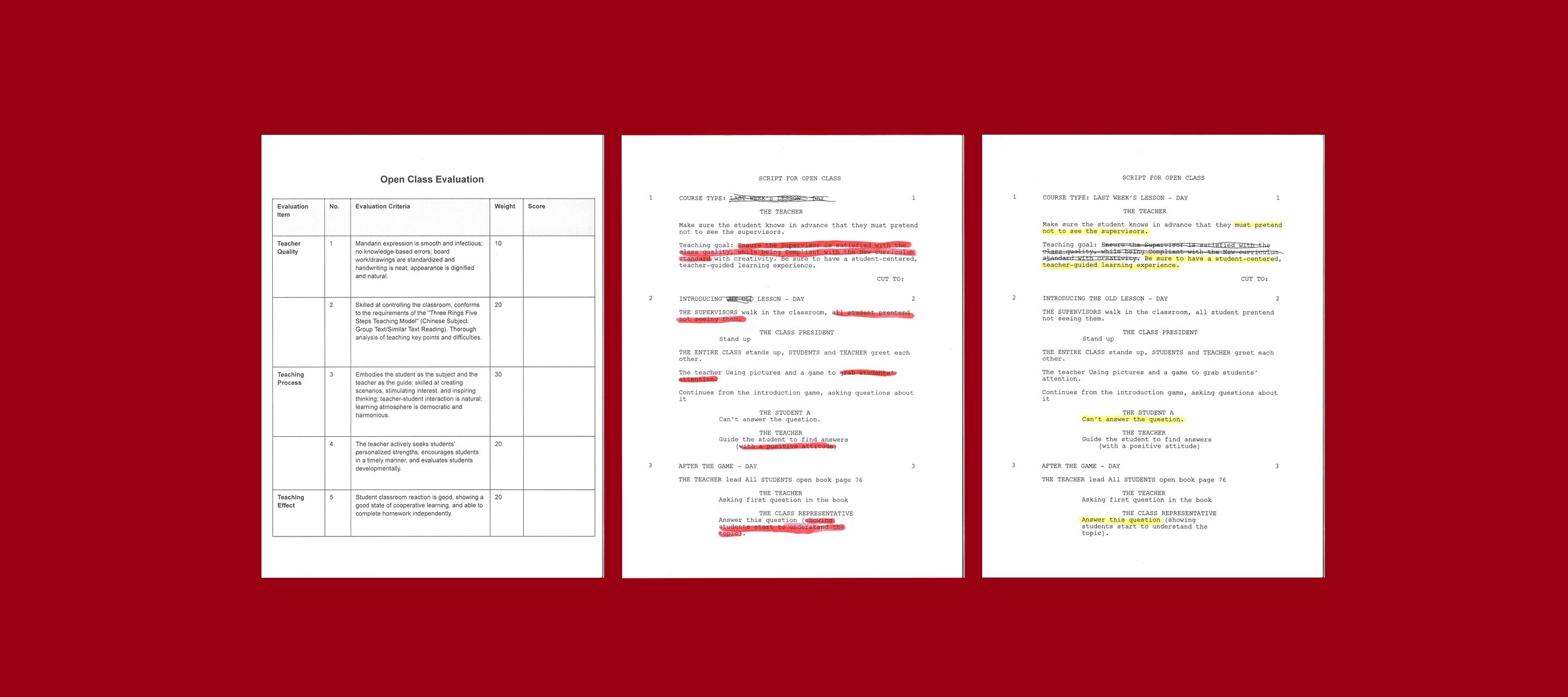
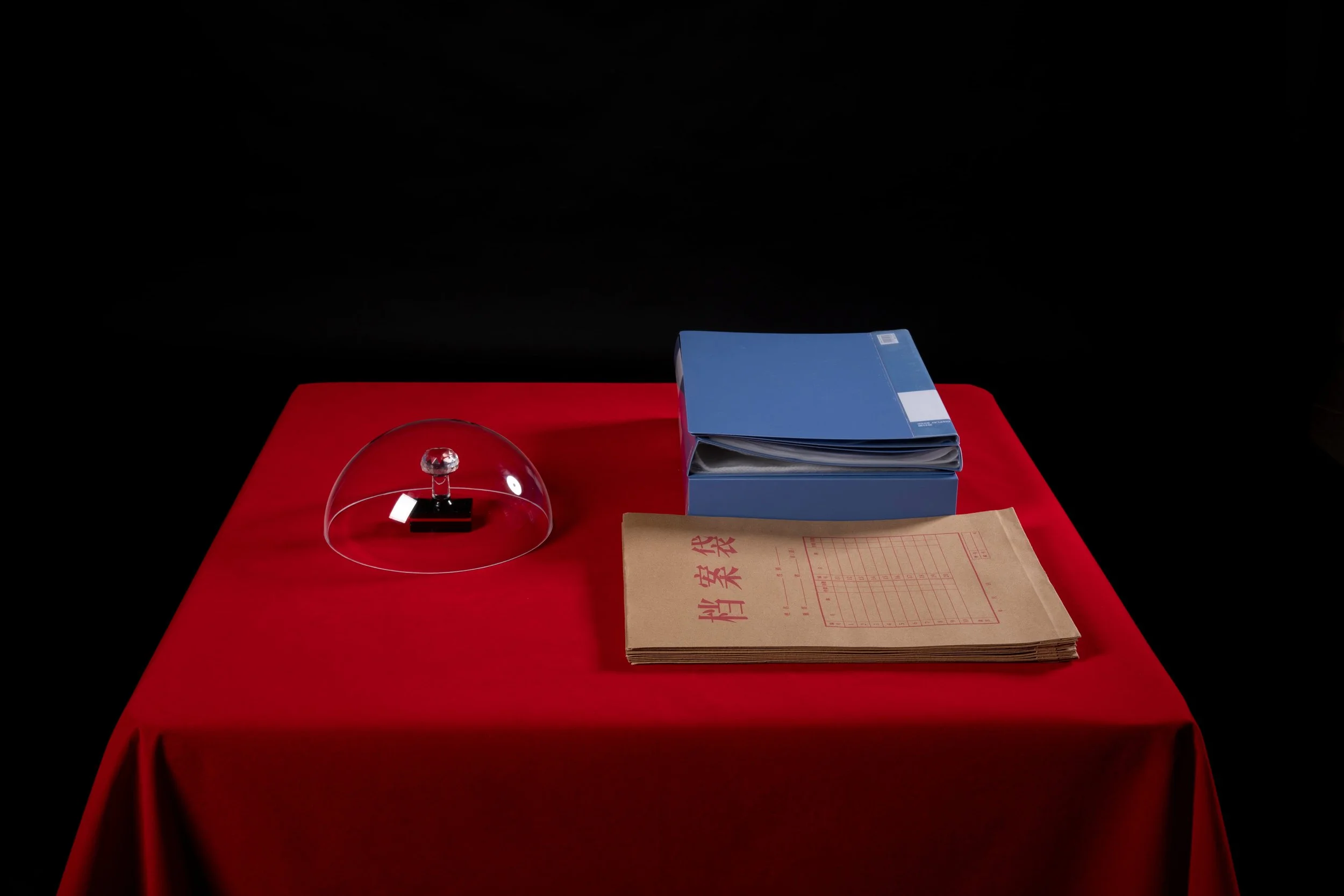
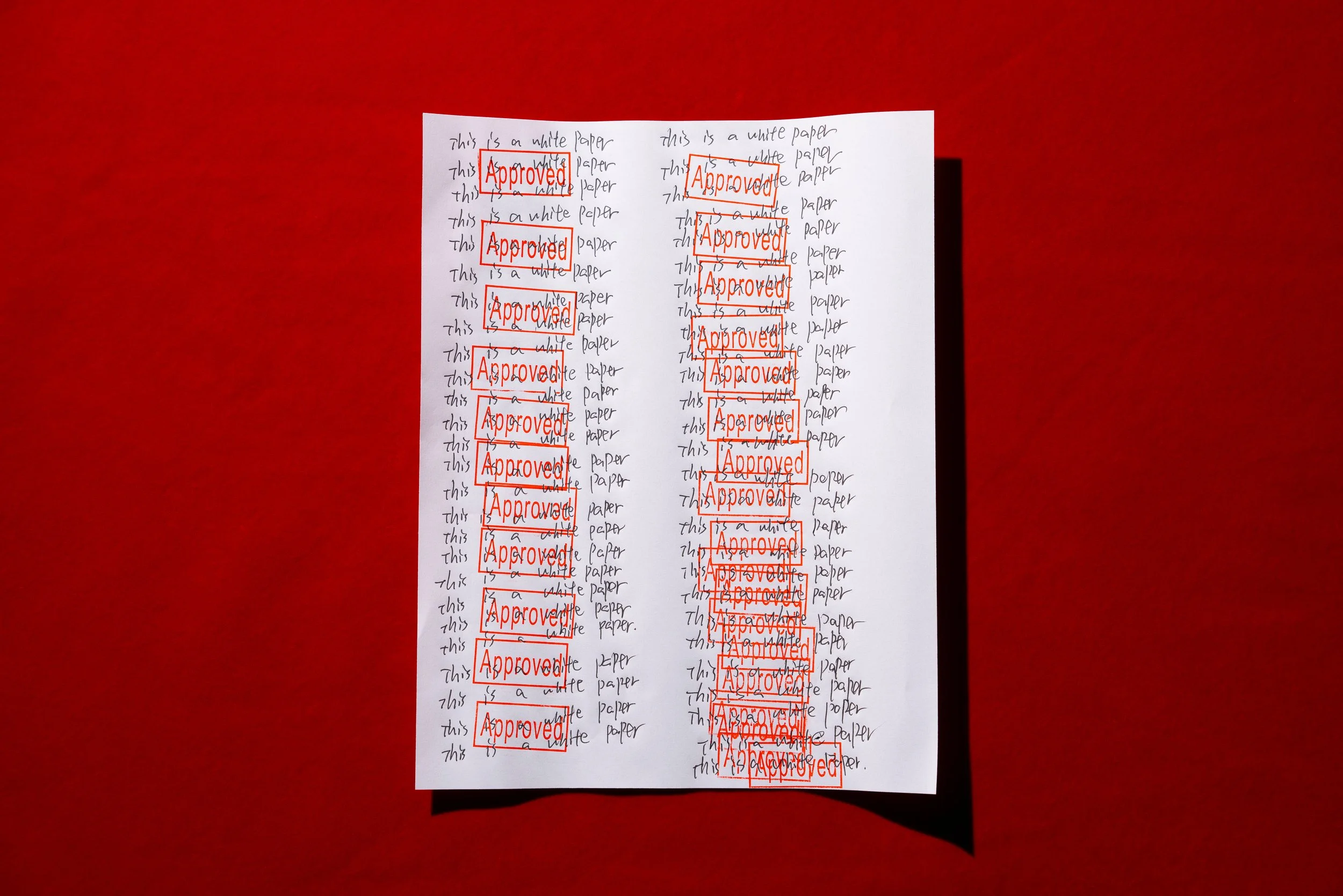
exibition view
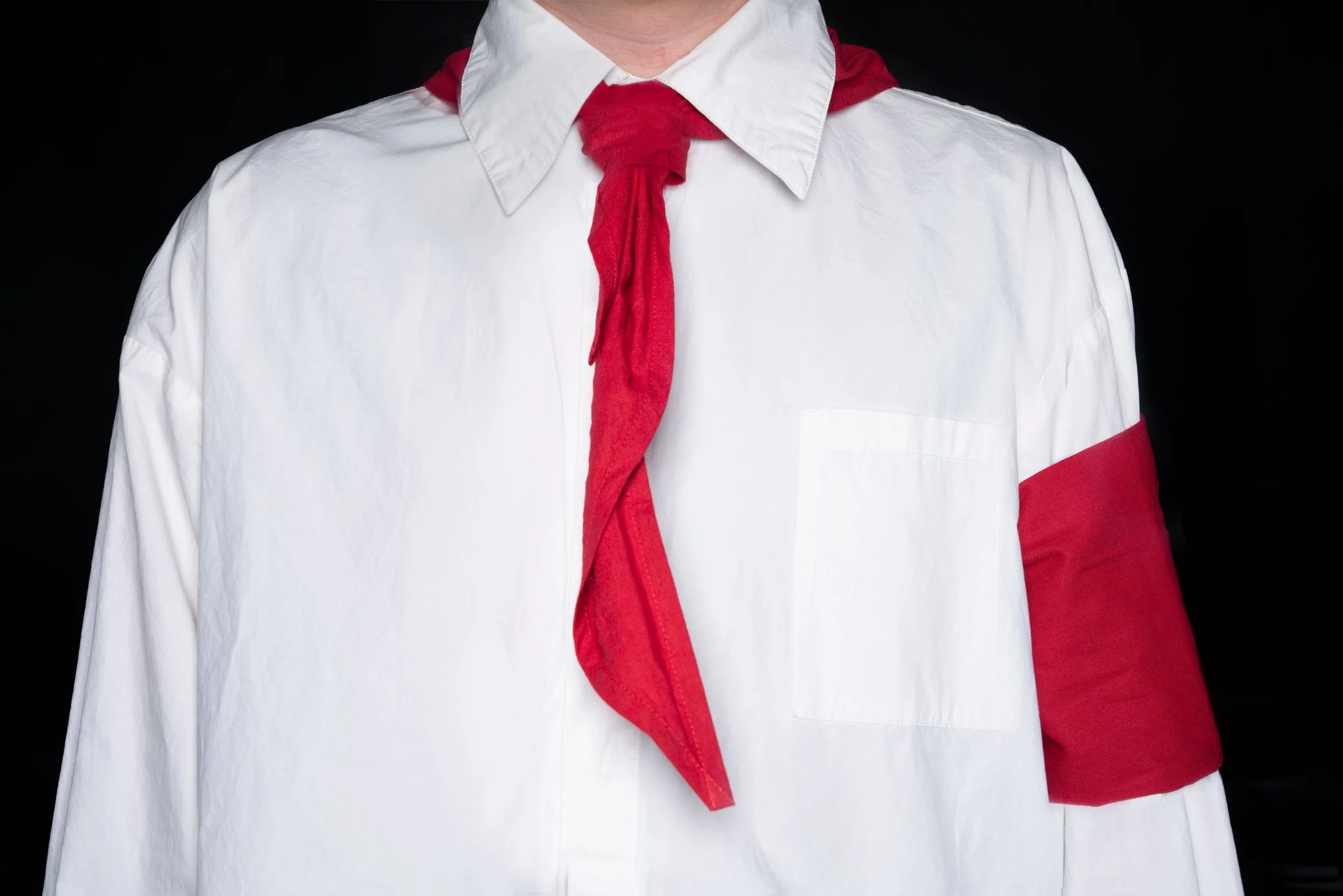
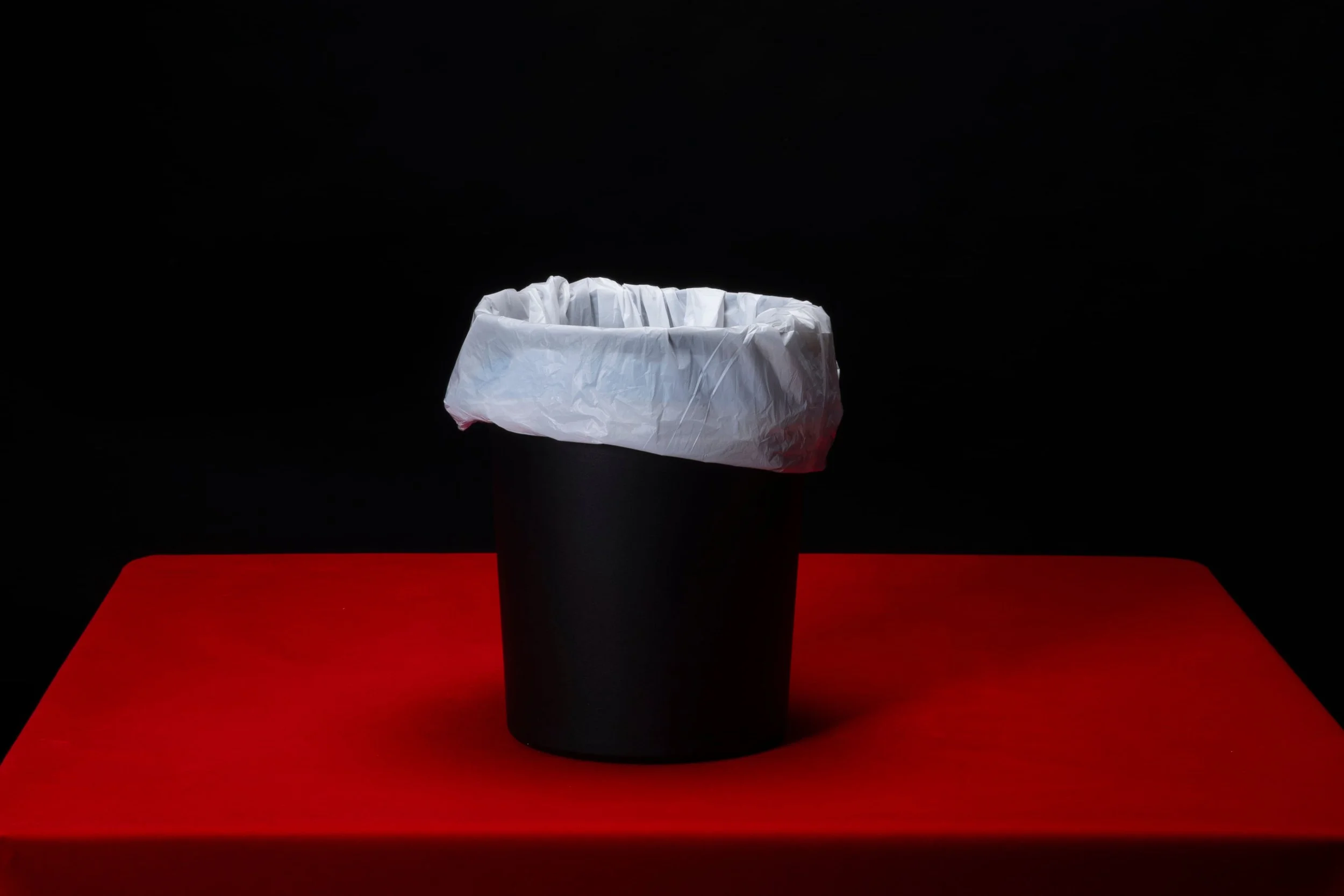


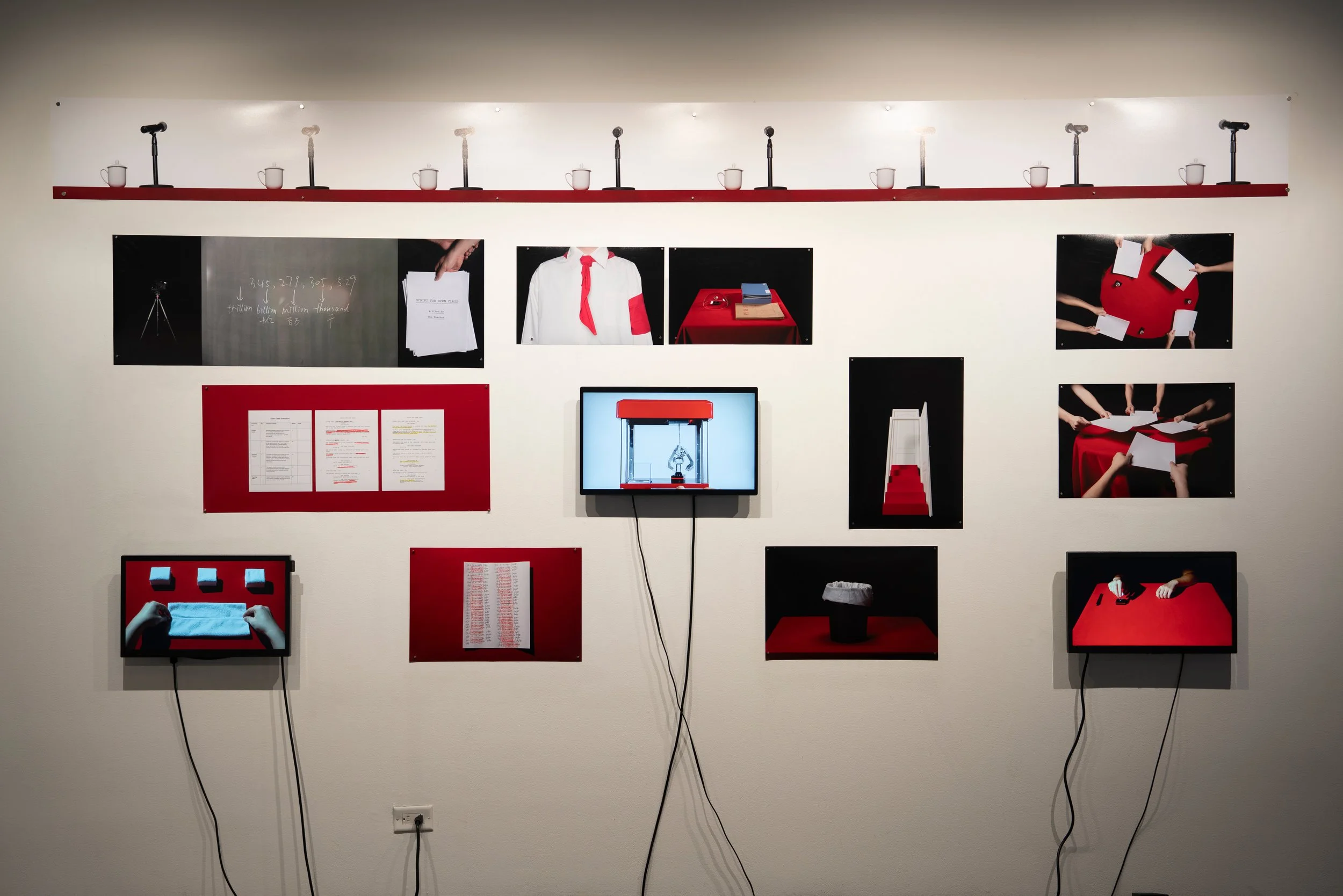
A Greater Enemy of Truth Than Lies is a photo- and video-based conceptual project examining Chinese formalism as a form of performative bureaucracy. Formalism, in this context, describes a system in which procedures, documentation, visible participation, and symbolic gestures gradually become more important than the problems they are meant to address.
The project explores how institutional systems can redefine meaningful action through visibility and compliance. Work is no longer measured only by what it accomplishes, but by whether it can be documented, presented, and recognized by authority. Over time, the performance of responsibility can begin to replace responsibility itself, allowing bureaucracy to function as an end rather than a means.
The project concerns how this logic becomes internalized. From education onward, individuals learn how to behave within systems of evaluation: how to demonstrate discipline, participation, productivity, and correctness in ways that can be easily recognized by those in authority. Repeated over time, these behaviors become habitual, shaping the way people understand institutions and their own roles within them.
These dynamics also sit within broader histories of political uncertainty, hierarchy, and the erosion of social trust in China. In environments where responsibility carries risk and trust is limited, following procedures and displaying correct behavior can become forms of self-protection. Formalism is therefore not simply inefficiency or absurdity, but also a survival strategy produced by the systems in which people operate.
Ultimately, A Greater Enemy of Truth Than Lies* examines how systems of power become embedded in everyday behavior, and how repeated performances of compliance can gradually replace trust, individual responsibility, and meaningful action.